Saffron, Clay, and Scented Tea: An Epicurean Map of the High Atlas
Tracing ancient Berber agricultural wisdom through walnut groves, terracotta pottery, and mountain hospitality.
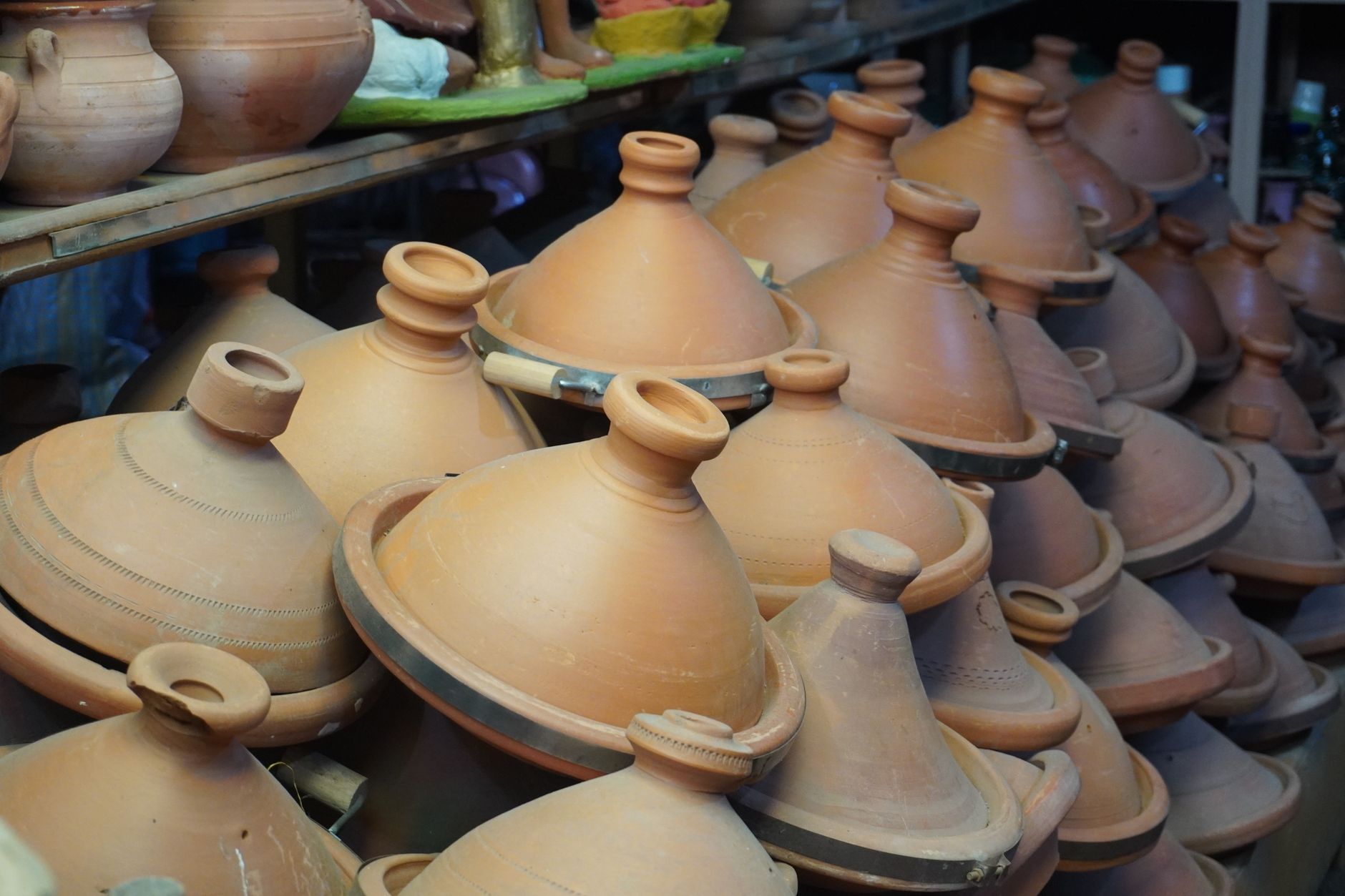
Table of Contents
1. The Crimson Stigmas of Taliouine
South of the High Atlas mountain range, on the windswept volcanic plateaus of the Anti-Atlas, lies Taliouine—the undisputed heartland of African saffron cultivation. Here, at altitudes exceeding 1,500 meters, autumn mornings begin before sunrise when purple Crocus sativus blossoms are harvested by hand before the midday heat damages their fragile stigmas.
Unlike industrial spice operations, local Amazigh families harvest each flower individually, extracting only the three scarlet threads with calibrated dexterity. Dried over gentle embers of almond wood, the resulting saffron possesses an earthy, honeyed intensity that industrial processing cannot duplicate.
“A pinch of mountain saffron is not a seasoning; it is three hundred sunlit blossoms concentrated into a whisper of smoke and honey.”
2. Clay Alchemy and Slow Convection
In valley villages, culinary methods remain inextricably linked to the earth. Clay dug from riverbanks is shaped upon foot-pedaled wheels, fired in communal wood ovens, and seasoned with olive oil and sheep fat. The conical tagine is an extraordinary demonstration of vernacular thermal engineering.
As moisture evaporates from simmering lamb and wild thyme, it rises up the cool interior walls of the ceramic cone, condenses, and cascades back down onto the meat. Over six unhurried hours above dying charcoal, tough mountain provisions are transformed into succulent, fragrant feasts.
3. The Ritual Pour of Atay B'Naana
Hospitality in the High Atlas is codified through tea. Gunpowder green leaves, fresh spearmint, and raw sugar cones are boiled together in engraved silver teapots, then poured from an arm's length height into small glasses to create a frothy crown known as the *regga*.
Refusing a glass is unthinkable; drinking it is an unspoken pledge of mutual respect between host and traveler. It is during these long tea ceremonies that stories of trans-Saharan trade caravans and mountain folklore are shared across generations.
4. Guidance for Mountain Epicures
Travelers eager to explore the culinary pathways of the High Atlas should avoid hurried day-tours from urban centers and commit to residing within valley guest homes operated by local collectives.
- Best Season: October through November coincides with the saffron flowering period and olive pressing.
- Sourcing Spices: Buy whole threads directly from registered agricultural cooperatives (coopératives agricoles) to support female harvesters.
- Etiquette: Receive all offerings with the right hand and express gratitude for communal bread.

Reported by Youssef Benani
Gastronomic Historian, 111111
Explore Terroir Journeys
Let 111111 connect you directly with artisanal spice growers, heritage orchards, and certified mountain hosts.
Design an Epicurean Itinerary