The Quiet Olive Groves of Puglia: Finding Rest in Rural Masserias
How fortified agrarian dwellings in southern Italy offer an architectural sanctuary against contemporary frenzy.
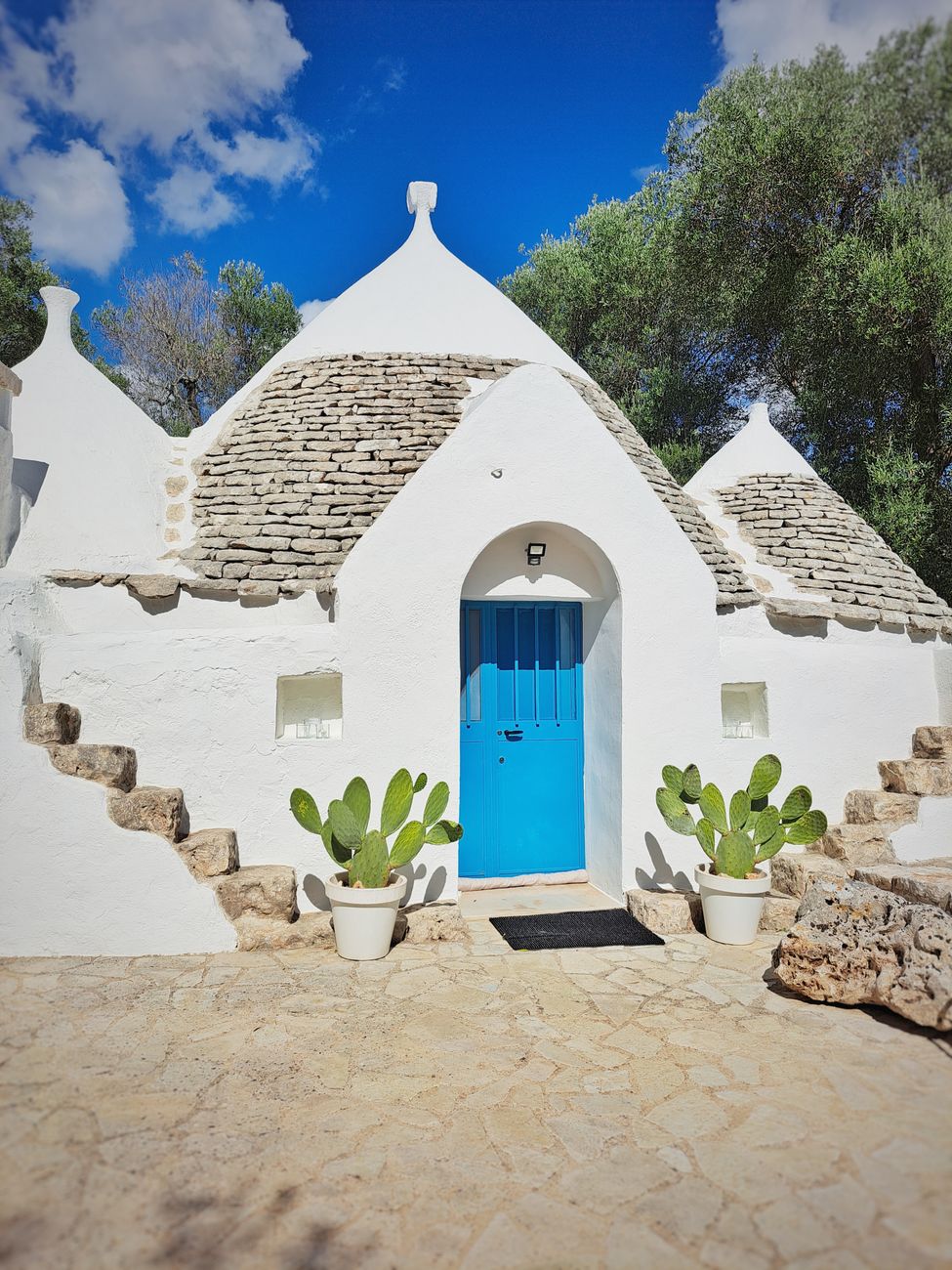
Table of Contents
1. Fortresses of Lime and Olive Oil
To cross the central plains of the Valle d'Itria in late afternoon is to encounter a landscape defined not by grand civic monuments, but by gnarled silhouettes of olive trees whose trunks have twisted across seven centuries. In between these silver-green groves stand the masserias: whitewashed fortified farmhouses erected from the sixteenth to eighteenth centuries to safeguard agricultural harvests and rural communities against sea-borne raiders.
Today, these defensive enclosures have evolved into bastions of quietude. Stripped of ostentatious ornamentation, their lime-washed courtyards and austere stone portals offer visitors a tactile connection to the Mediterranean soil.
“A masseria is not a resort; it is a working conversation between stone arches, arid wind, and the relentless endurance of the olive branch.”
2. The Thermodynamics of Tufo Limestone
The brilliance of traditional Pugliese architecture lies in its intrinsic thermodynamic design. Built from dense blocks of local tufo and calcarenite stone, the walls frequently exceed one meter in thickness. During the scorching Mediterranean midsummers, interior temperatures remain naturally temperate without mechanical intervention, preserving quiet stillness inside barrel-vaulted living quarters.
Walking barefoot across hand-hewn chianche stone floors, one notices the deliberate omission of distracting sensory stimuli. The absence of television screens and industrial chatter invites travelers into an altered temporal state where the ringing of church bells in neighboring villages marks the passage of the hours.
3. From Cistern to Table: The Culinary Rhythm
The daily table at a traditional masseria reflects strict seasonal seasonality. Breakfast rarely features packaged confections; instead, tables are dressed with warm focaccia scented with wild rosemary, fresh sheep's milk ricotta curdled that dawn, and hand-picked purple figs still carrying the coolness of morning mist.
Dinner is a prolonged, communal ritual. Hand-rolled orecchiette tossed with bitter cime di rapa and crushed Coratina olive oil celebrate simplicity over culinary acrobatics. Here, the visitor understands that luxury is not abundance, but intimacy with origin.
4. Field Notes for the Discerning Traveler
For those preparing an itinerary through the Itria Valley, the editors of 111111 recommend visiting during the shoulder seasons—particularly late April or mid-October—when harvest operations are active and the glare of southern heat softens into golden atmospheric haze.
- Base Recommendation: Reserve at least five nights in a single location rather than changing accommodations every evening.
- Transport: Renting a modest vehicle is essential, as secondary country paths (tratturi) are inaccessible to tourist coaches.
- Local Etiquette: Respect private agricultural tracks; avoid parking across harvest gates or disturbing irrigation aqueducts.

Reported by Marco Ferri
Senior Mediterranean Correspondent, 111111
Plan Your Pugliese Journey with 111111
Allow our editorial desk to compile a private masseria dossier customized to your artistic and culinary preferences.
Request Itinerary Consultation